Taro
Taro
MindCET
(
2026
)
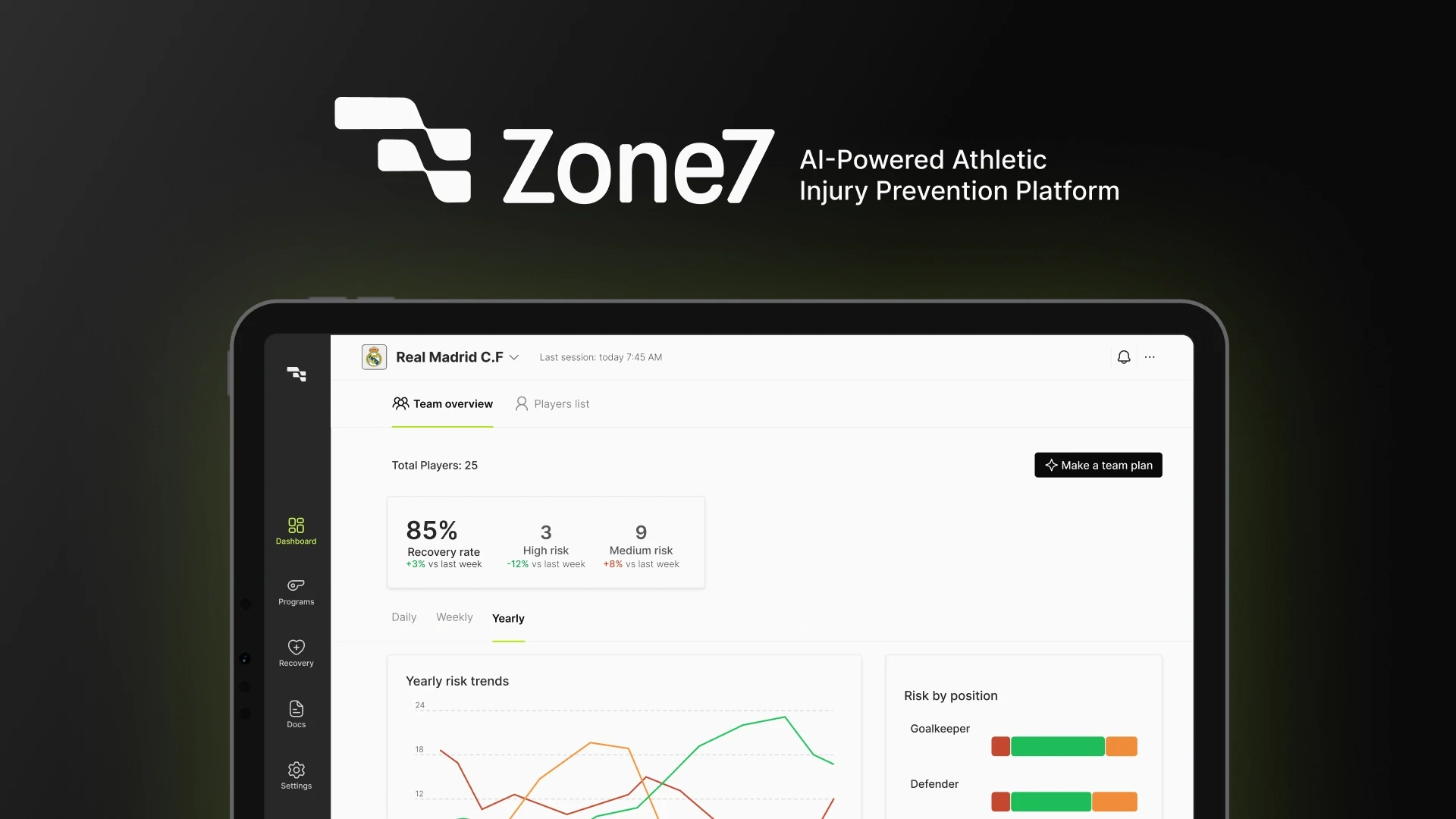
Taro is an AI-powered learning companion designed to give students certainty in their independent study process.
Unlike typical AI tools that simply summarize content, Taro focuses on meta-learning - teaching students how to learn by identifying 'blind spots' and suggesting personalized strategies.
As a product designer at MindCET, I’ve been leading the transition from single-session feedback to a holistic, long-term learning journey.
This "moonshot" initiative explores how advanced video analysis and AI can be applied in educational environments.
role
Lead Product Designer, Brand Designer & Builder
Industry
Edtech, AI Tool
The challenge
The Autodidact’s Paradox
An independent learner is simultaneously their own teacher and their own student- which creates a real cognitive load. They put in the hours, but have no reliable way to know if they're actually progressing or just circling in place.
This is the "Blind Spot Gap": the disconnect between what a learner actually does during a session and their awareness of it. Taro exists to close that gap.
Solution
Solution
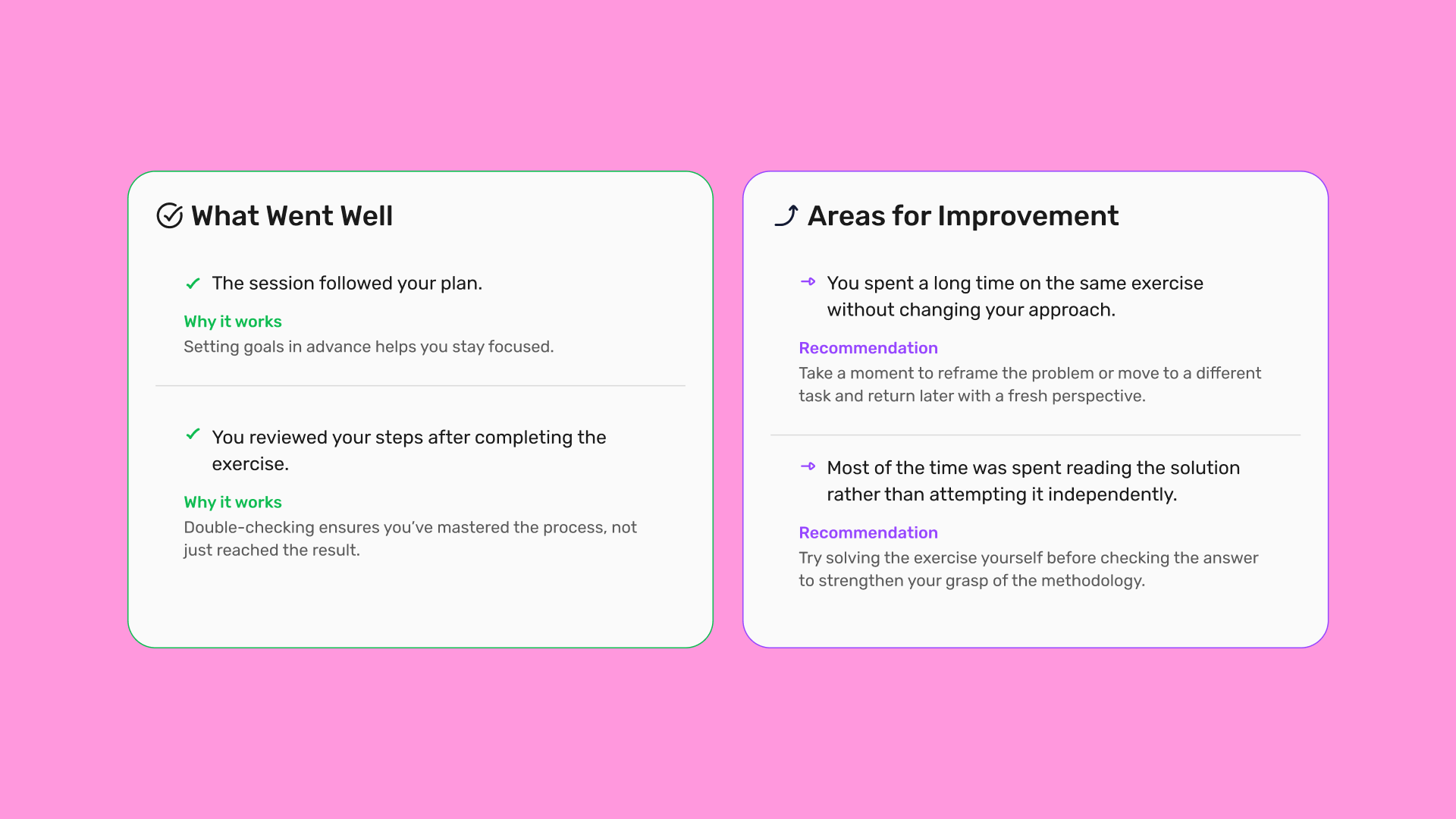
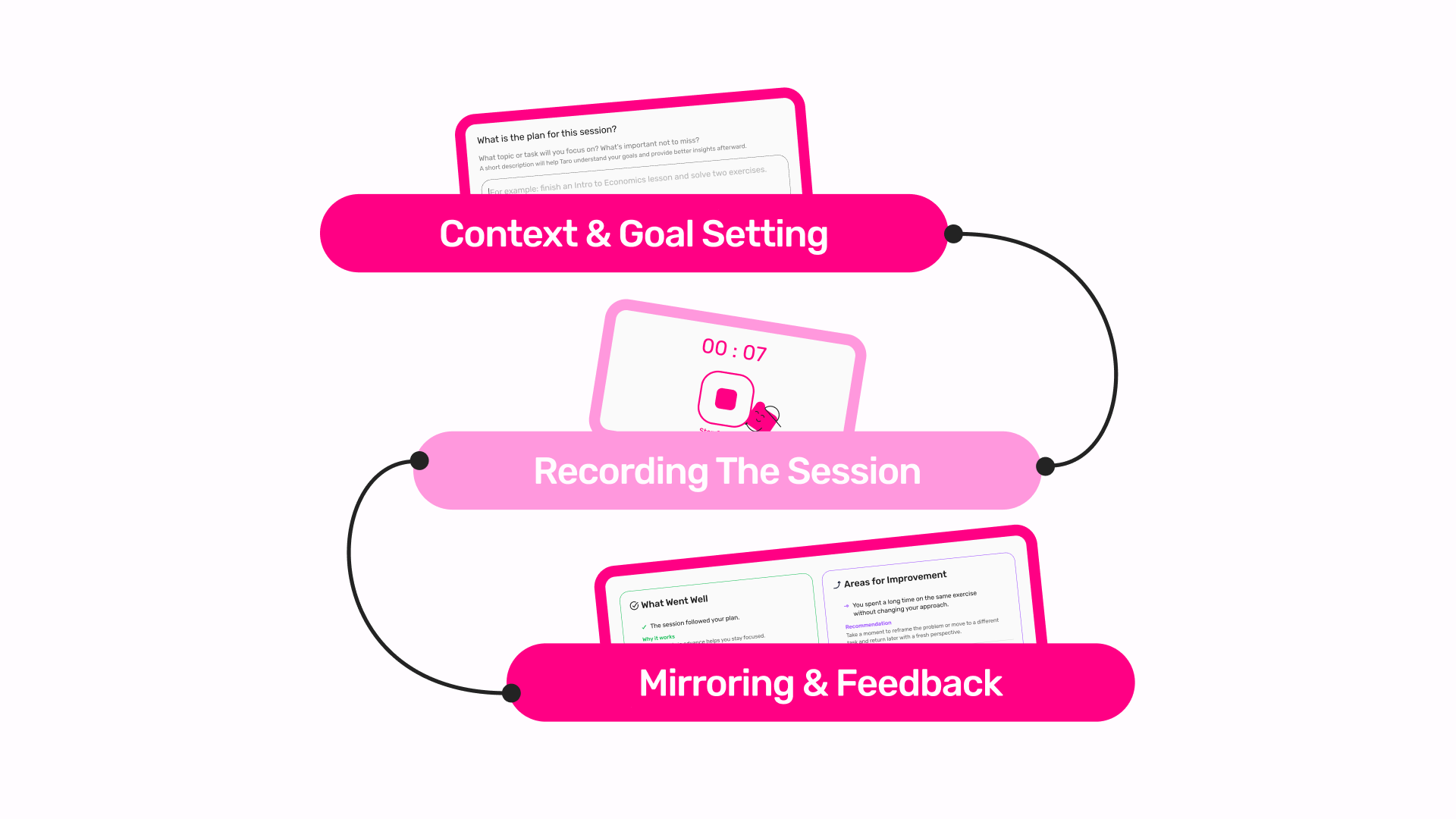
Taro acts as a "Learning Architect" - an AI-powered partner that tracks study habits in the background and reflects non-judgmental, behavioral feedback to optimize independent learning.
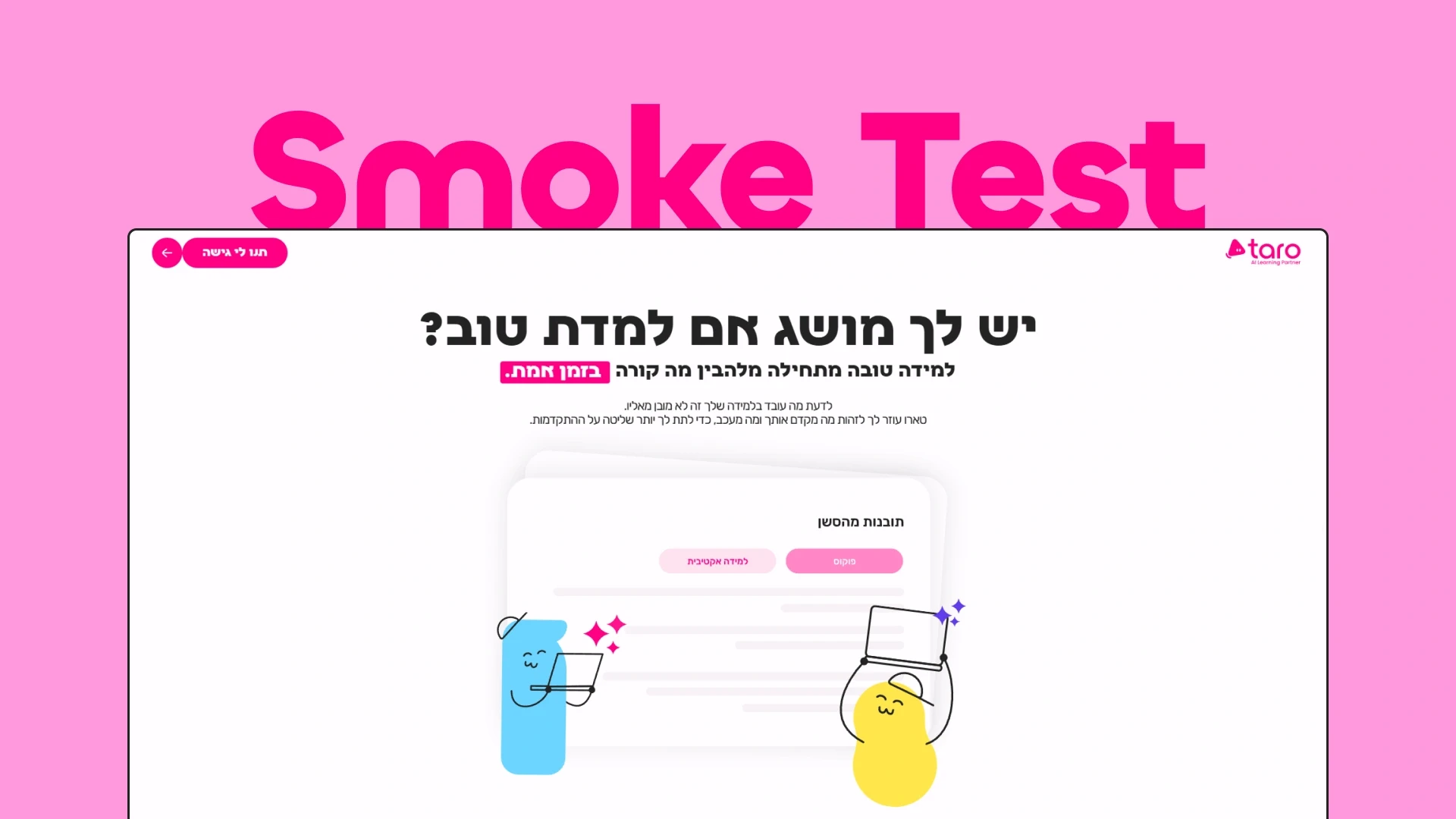
Validation: The Smoke Test & Yeruham Pilot
Validation: The Smoke Test & Yeruham Pilot
We validated our hypotheses through two key phases:
Smoke Test
Designed a branded landing page ( Link ) that secured 70+ organic signups in one week, validating strong market demand and shifting the project from assumptions to concrete data before full development.
Yeruham Pilot
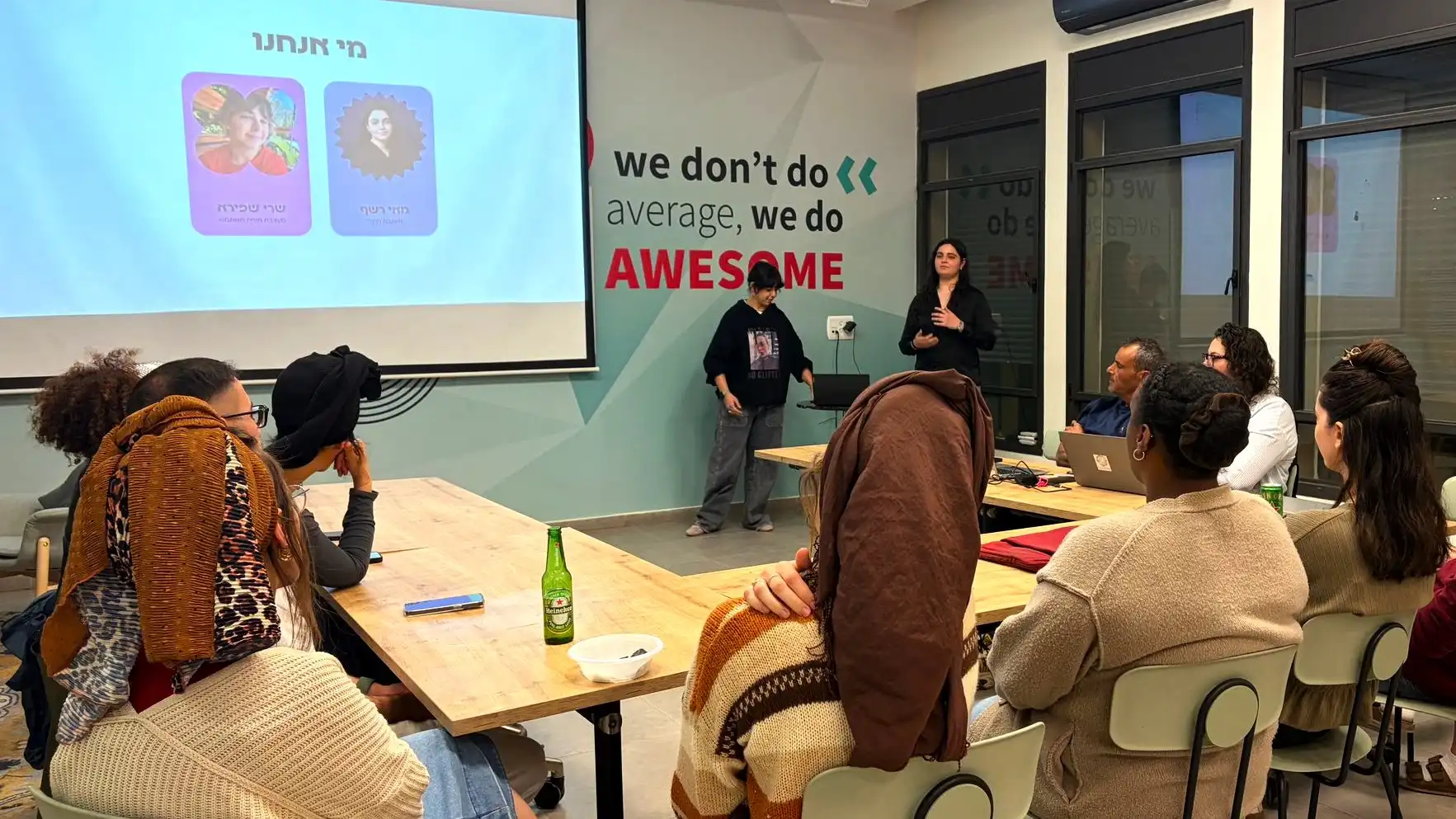
A physical pilot at a youth center to test the product’s behavioral impact under real-world conditions.
Key Pilot Findings:
The "Observer Effect"
We assumed recording would be a barrier. We were wrong- 60% of participants said knowing they were being recorded increased their commitment and focus.
Prompting Reflection
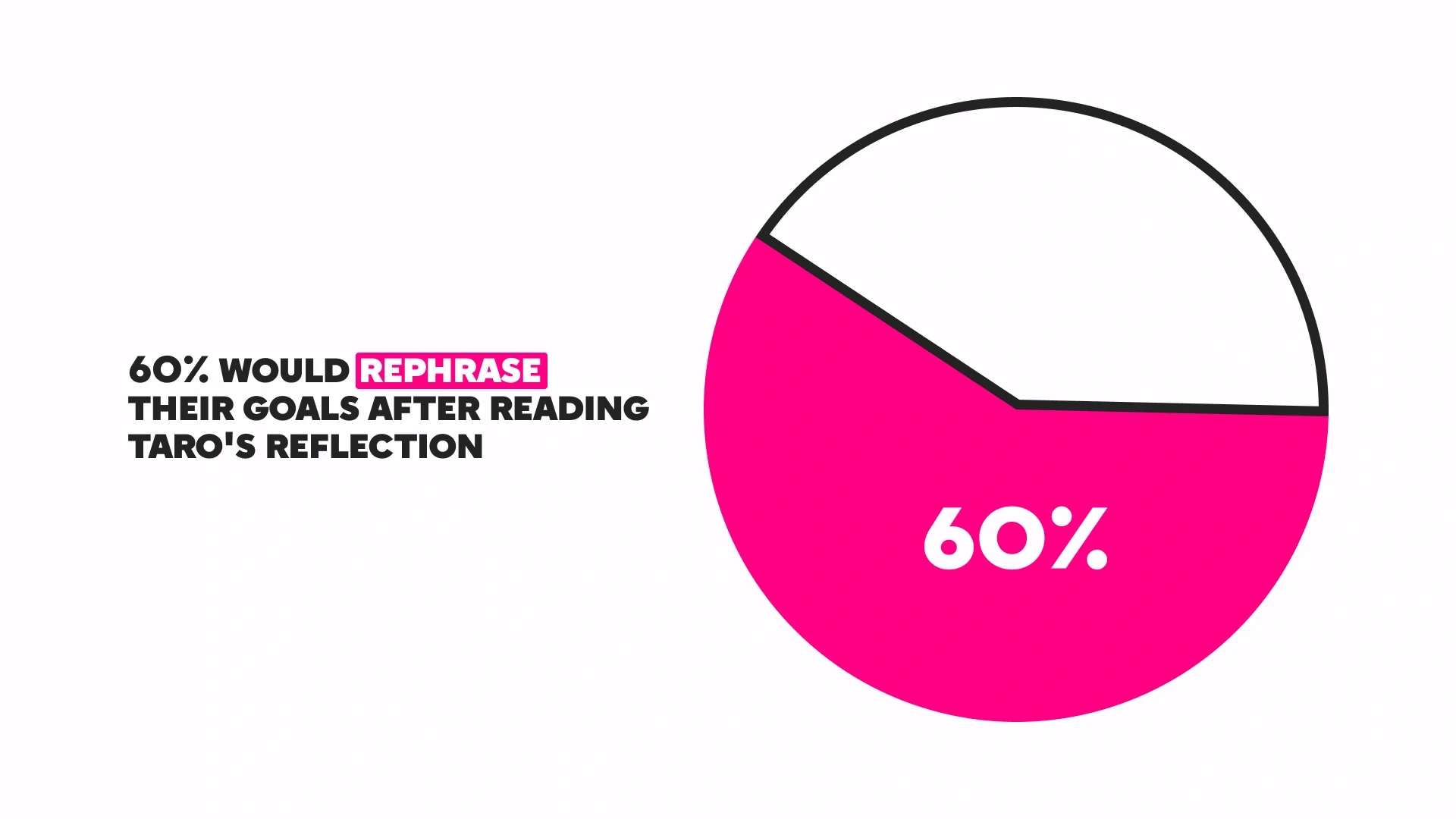
60% of respondents stated they would change how they phrase their goals after reading Taro’s insights, proving the data reflection loop triggers immediate meta-cognitive awareness.
Friction Points
We identified a clear optimization goal during onboarding, as too many initial setup questions created high usage friction, blocking the user's time-to-value.
The Strategy
Merging Tech and Pedagogy
The question that shaped every decision: how do you turn raw camera data into reflection that's genuinely human and empowering- not judgmental, not threatening, but still transparent and honest? The project began at the intersection of technological maturity and pedagogical need.
Technological Investigation
We analyzed the current limits of computer vision and AI analysis -determining what behavioral patterns can be reliably identified (e.g., focus drops, active vs. passive execution loops) and what requires careful interpretation to prevent data distortion.
Pedagogical Deep Dive
We reviewed literature on self-regulation, cognitive load, and meta-cognitive feedback mechanics to architect the optimal conditions for sustainable independent learning.
Target Audience
Focused on "serious" independent learners- data-driven users who prioritize optimization and are open to reflecting on how they execute.
Branding & Motion
Established a visual language of "Intelligence & Calm" to foster a trustworthy mentor-user relationship. Because tracking behavioral data requires absolute user trust, the dark themes and interface pacing were engineered to reduce performance anxiety and make data reflection feel empowering rather than punitive.
The name "Taro" comes from tarot cards: the idea of self-discovery, of getting a picture of where your future is headed. It ties back to something the research surfaced directly that developing your own learning strategies is how you secure a better future for yourself, because it means you can learn anything on your own from that point forward.
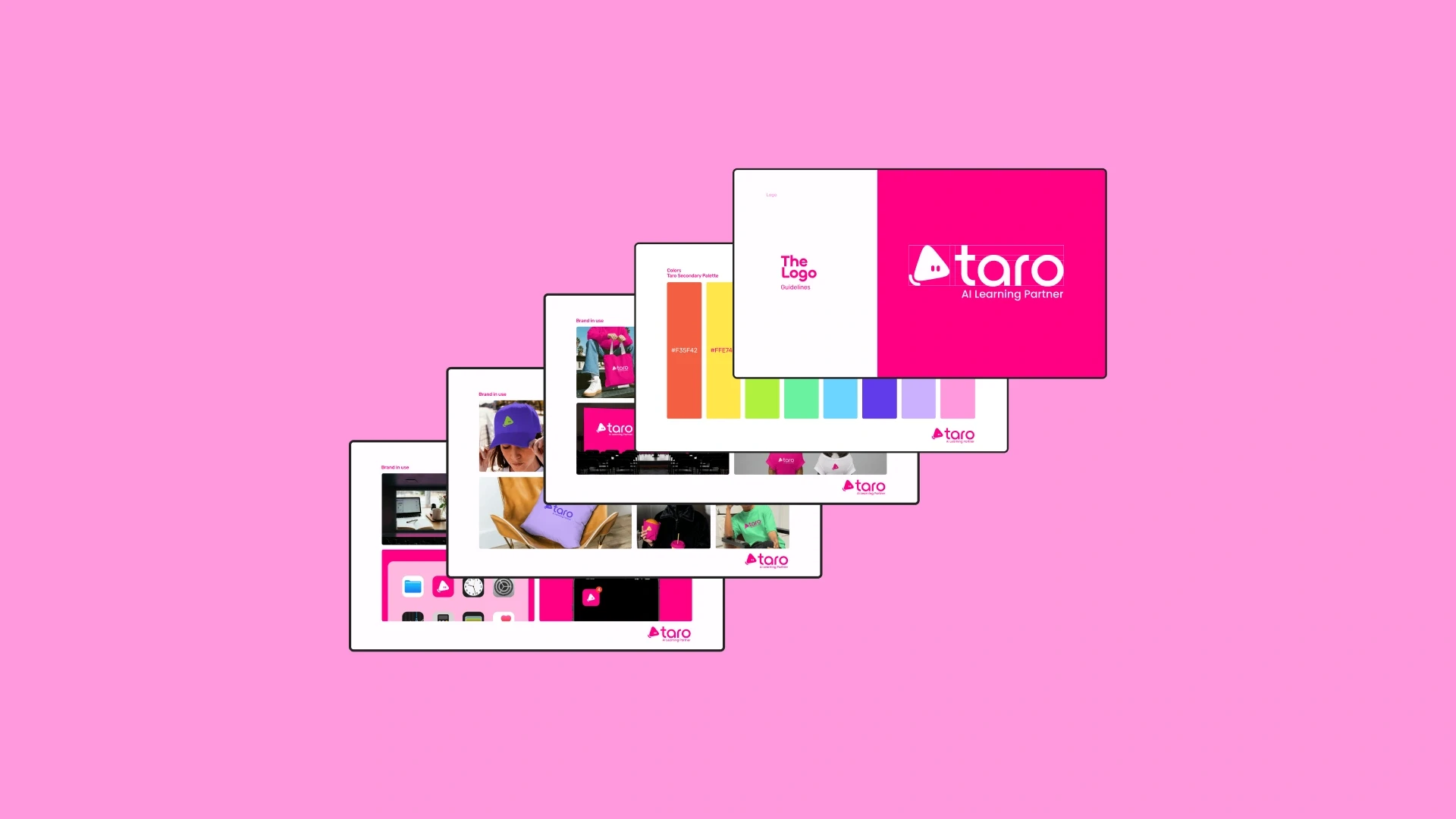



Beyond the core product design, I also owned the brand identity, illustrations, motion design, micro interactions and storytelling end-to-end: work that built real trust and engagement during the pilots. I designed the landing page and HTML email templates that drove distribution and early-adopter acquisition.
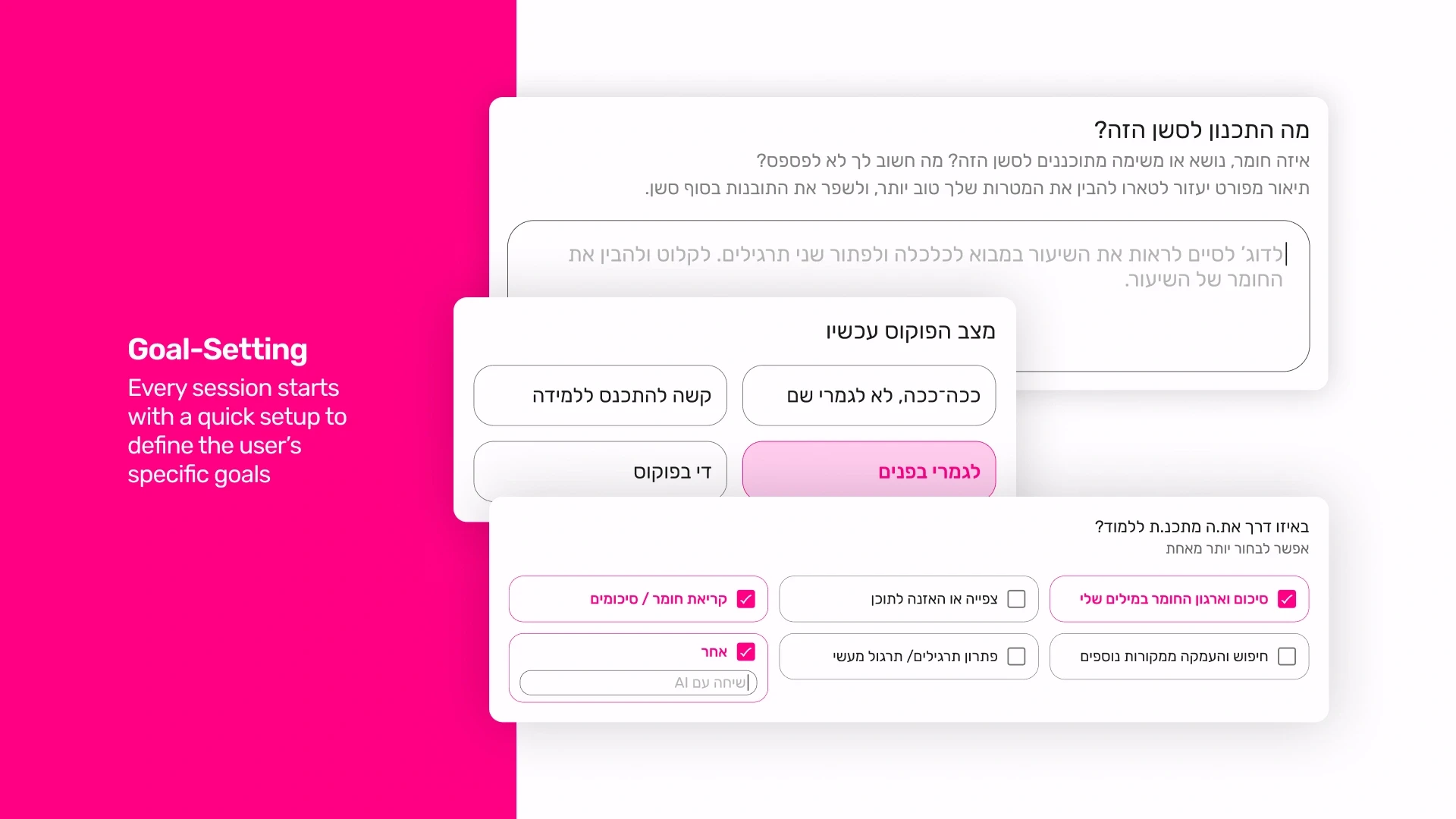
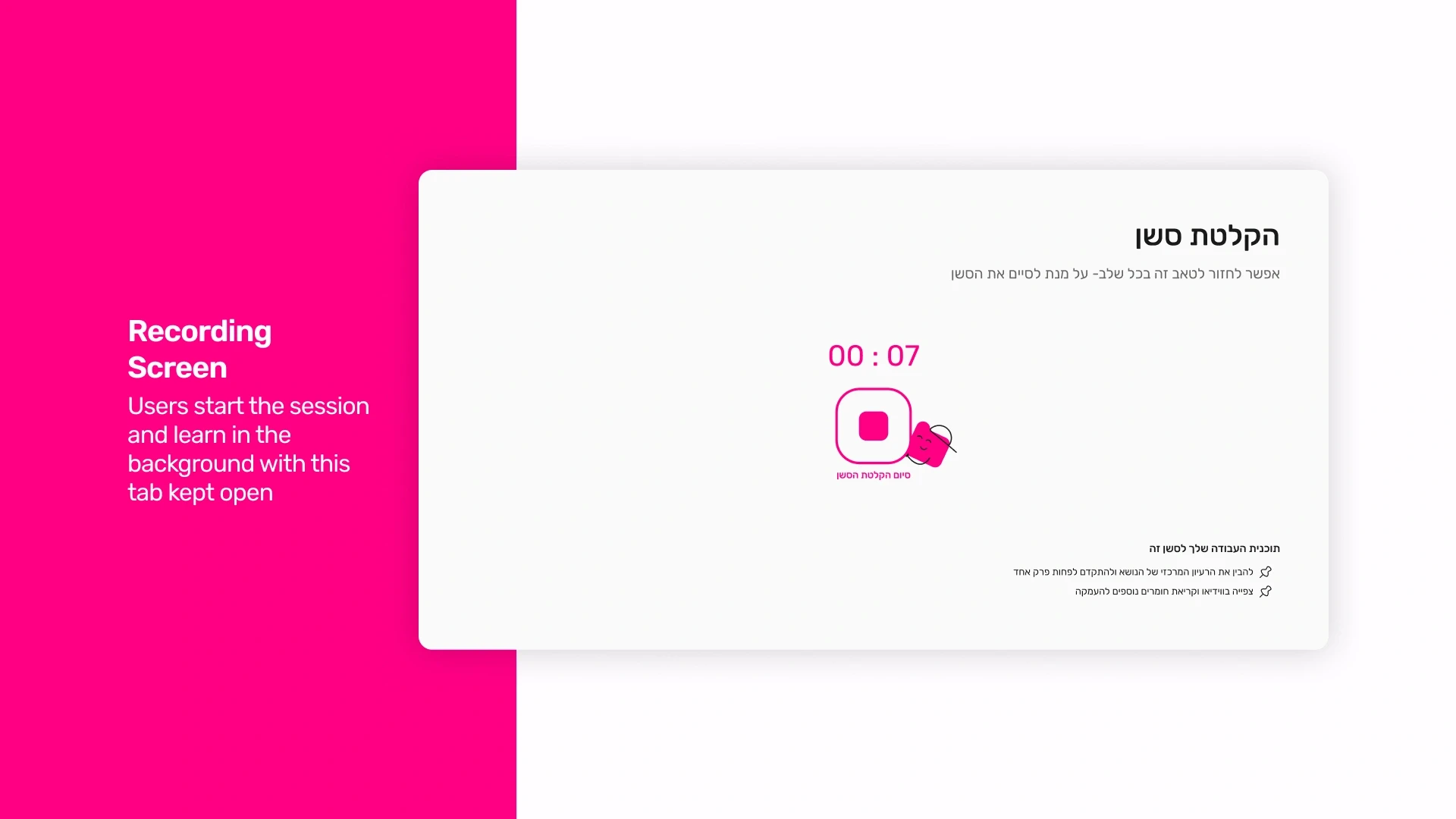
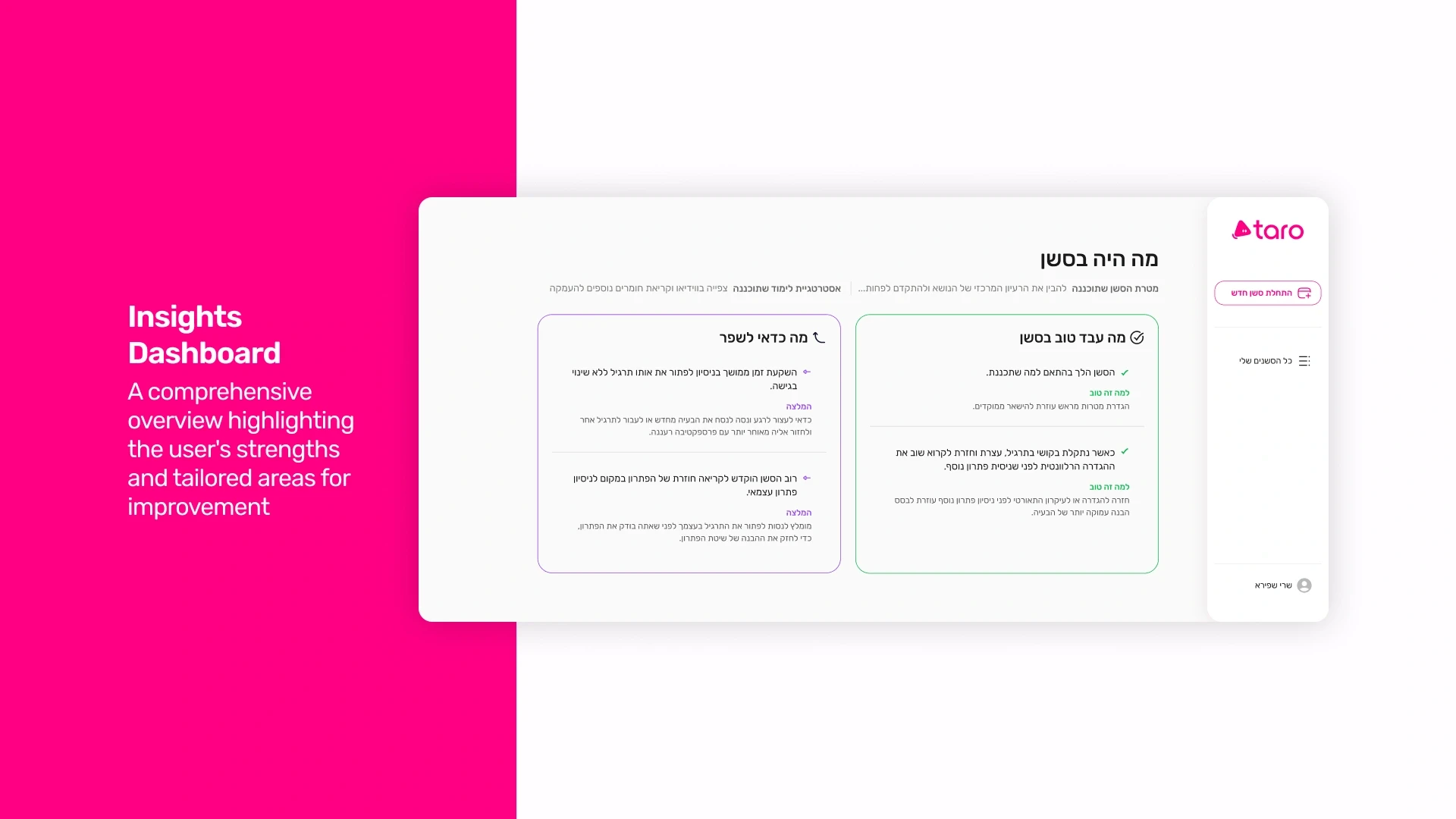
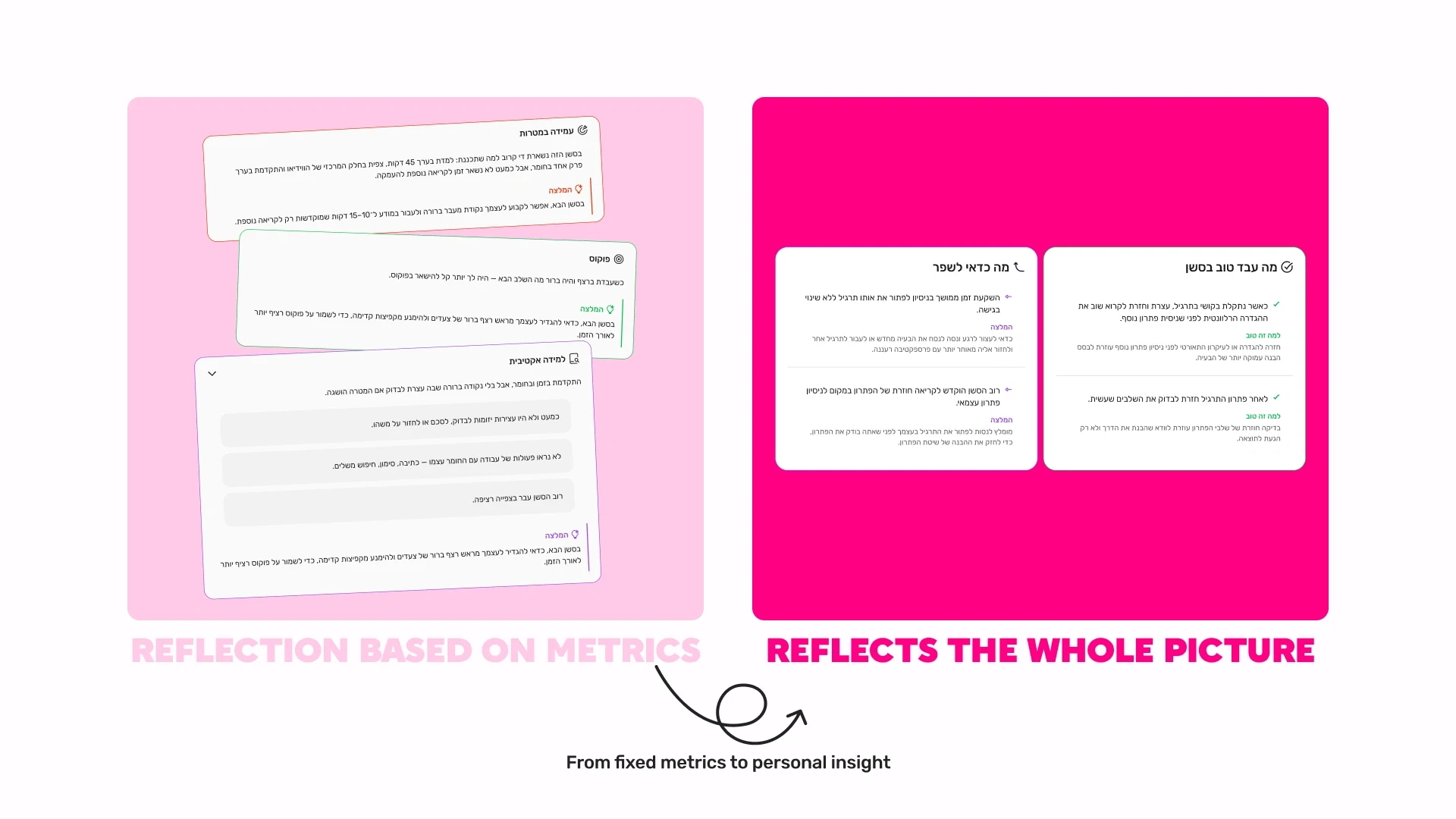
The first version showed fixed metrics for everyone. It felt like a grade. We moved the metrics behind the scenes and switched to narrative feedback instead- what worked and why, what to improve and how.
Key Outcomes & Reflections
Co-Created Growth
Successfully transitioned a theoretical technology exploration into a community-validated ecosystem with over 70 early adopters acquired organically in week one.
The Power of Process Feedback
Our research and live data loops confirmed that maximum value is unlocked when technical capability meets a deep human need. In growth and retention, the type of feedback (procedural, objective, and strictly non-judgmental) is just as critical as the data content itself.
What I took from this
The biggest lesson from Taro was dynamism - the ability to take raw, unproven technology and translate it into precise human value while still in motion, without waiting for certainty that never fully arrives.